Why Panic Bar Installation and Exit Device Compliance Matter for San Antonio Businesses
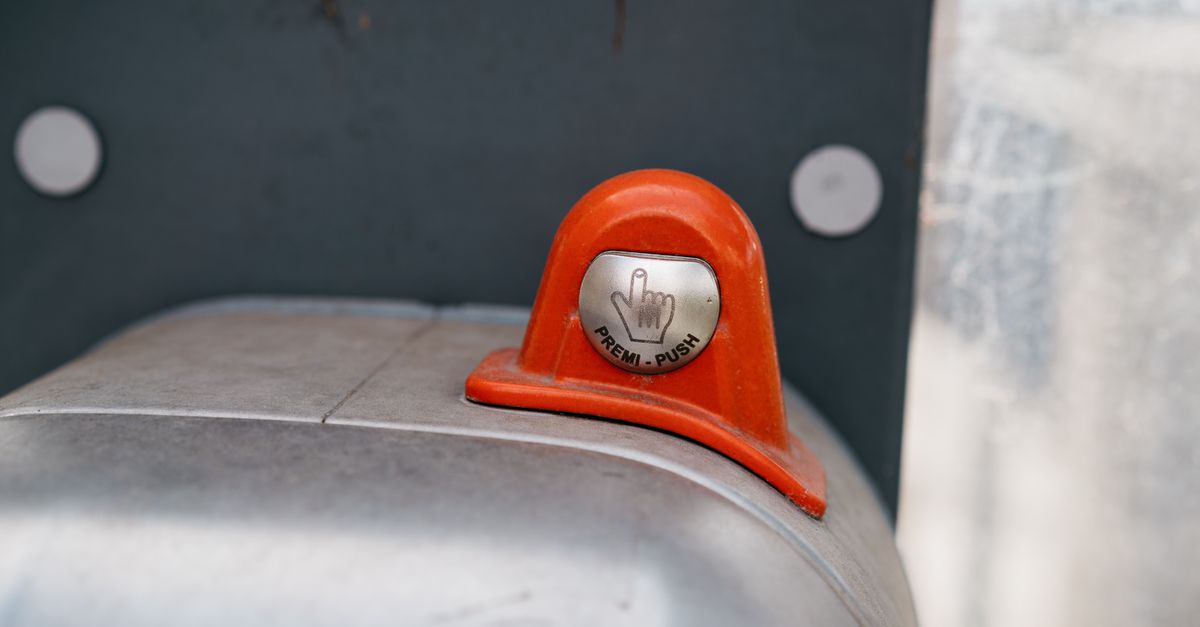
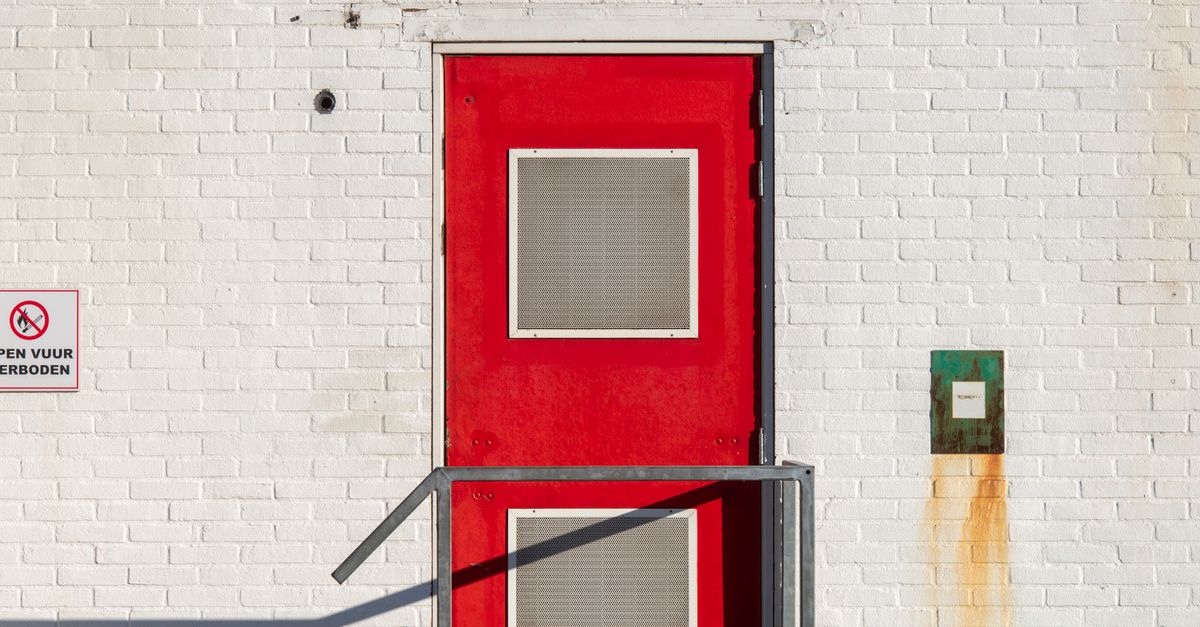
Texas building codes, derived from the International Building Code and enforced locally through the City of San Antonio's Development Services Department, require that certain occupancies — assembly spaces, educational buildings, high-occupancy retail, and others — be equipped with panic hardware on exit doors. A panic bar, or 'push bar,' allows occupants to exit quickly by pressing against a horizontal bar, even in a panicked crowd, without having to turn a knob or handle. When this hardware is missing, malfunctioning, or improperly installed, a routine fire marshal inspection can result in citations, forced closures, or both. Our commercial locksmith technicians understand these requirements and install exit devices to manufacturer specifications and prevailing code standards.
Panic bar installation is not a one-size-fits-all job. The door's thickness, material (hollow metal, aluminum storefront, or wood), and frame type all influence which device is appropriate. A rim-type exit device mounts to the face of the door and latches into a strike on the frame — relatively straightforward. A mortise lock exit device is integrated into a pocket routed into the door's edge and offers deadbolt-level security while still providing single-motion egress. Specifying the right device for your specific door is something our trained technicians evaluate on-site, not by guessing from a phone call.